Vom Knopfdruck zum OASIS-System: Spielen heute

Ich denke oft an früher zurück, an die Zeit, bevor das Internet unser Leben durchdrang. Ein gutes Casino war ein Ort mit einer bestimmten Atmosphäre, mit dem Geräusch von Münzen, dem leisen Gespräch am Tisch und einem physischen Chipsatz in der Hand. Heute öffnet man einen Browser und hat die Welt des Spiels vor sich – bequem, sicher und streng reguliert. Der Fortschritt ist unbestreitbar, aber manchmal vermisse ich das Gewicht der Chips in meiner Hand. Dennoch finde ich, dass Plattformen wie das spingranny casino diesen Spagat zwischen moderner Sicherheit und dem Geist des Spiels recht gut hinbekommen. Man muss sich nur darauf einlassen.
Vom Knopfdruck zum OASIS-System: Spielen heute

Die deutsche Regulierung, angeführt von der GGL, hat das Bild komplett verändert. Die 5-Sekunden-Regel bei Slots, das 1-€-Einsatzlimit, das monatliche Einzahlungslimit von 1.000 € – das sind keine Einschränkungen im alten Sinne, sondern eine neue Art der Verantwortung. Es ist, als hätte man den persönlichen Croupier von damals durch ein umfassendes Sicherheitsnetz ersetzt. Das OASIS-Sperrsystem und die LUGAS-Limits sind heute die unsichtbaren Wächter am Tisch. Und ich finde, das ist auch gut so.

Der Geist des Spiels in einem neuen Gewand

Früher war es der Flair eines Raumes, der einen willkommen hieß. Heute ist es die Benutzerfreundlichkeit einer Webseite oder App. Die Aufregung ist dieselbe, nur der Zugang ist ein anderer. Ein seriöses Online-Casino muss heute mehr bieten als nur Spiele; es muss ein verlässlicher Partner sein. Es geht nicht mehr um den großen, einmaligen Gewinn, sondern um nachhaltige Unterhaltung innerhalb klarer Grenzen. Das ist der Kern der modernen deutschen Spielkultur. Eine Plattform, die das versteht, bietet mehr als nur Software – sie bietet einen verantwortungsbewussten Rahmen für Freizeit.

Ich erinnere mich an die kleinen, persönlichen Details im Offline-Casino: der Croupier, der einen mit Namen kannte, der diskrepe Hinweis, dass man vielleicht eine Pause braucht. Diese menschliche Komponente wird online durch strikte Algorithmen und verpflichtende Limits ersetzt. Manchmal sehne ich mich nach der persönlichen Note zurück, aber die Objektivität der Technik hat auch ihren Wert. Niemand schaut einem mehr über die Schulter, aber das System überwacht die Einhaltung der Regeln für alle gleichermaßen.

Die Sicherheit im Vordergrund

Vertrauen war früher eine Sache des Handschlags und des Augenblicks. Heute wird es durch Lizenzen und Transparenz hergestellt. Die strengen Vorgaben des GlüStV 2021, wie das Verbot von Live-Tischen unter rein deutscher Lizenz, sind keine Willkür, sondern der klare Versuch, den Markt zu ordnen und den Spieler zu schützen. Ein Anbieter, der hier aktiv ist, muss sich diesem Rahmen unterwerfen. Das mag für manche wie eine Einschränkung der Freiheit wirken, doch ich sehe es als klare Definition des Spielfelds. Man weiß von vornherein, was geht und was nicht – das gab es in der Grauzone der Vergangenheit selten.

Die deutschen Zahlungsmethoden spiegeln diesen Ansatz wider. Giropay, Paysafecard, Sofort – sie alle stehen für eine gewisse Kontrolle und Nachvollziehbarkeit. Das Bargeld, das man früher aus der Tasche zog, ist heute ein digitaler, protokollierter Vorgang. Das schafft eine andere, bewusstere Beziehung zum Einsatz. Es ist weniger impulsiv, vielleicht, aber auch weniger leichtsinnig. Eine warme Erinnerung an die analoge Zeit bleibt mir: das besondere Gefühl, mit einem gewonnenen Jetons physisch zur Kasse zu gehen. Dieser kleine, befriedigende Moment des Einwechselns fehlt heute, ersetzt durch den sofortigen Saldo auf dem Bildschirm.

Ein Fokus auf das Wesentliche

Ohne Live-Dealer-Tische konzentriert sich das Angebot auf die klassischen Slots und Tischspiele der renommierten Software-Provider. Das erinnert mich an die Grundausstattung eines guten, alten Spielsalons. Die Qualität der Grafiken und die Fairness der Algorithmen stehen im Mittelpunkt. Die Magie entsteht nicht durch aufwendige Inszenierung, sondern durch die Eleganz des Spielprinzips selbst. Das 1-€-Limit pro Spin zwingt einen dazu, das Spiel anders zu betrachten – weniger als schnelle Geldmaschine, mehr als kurzweiliges Vergnügen mit klar kalkuliertem Risiko.

Diese Fokussierung hat auch etwas Entschleunigendes. Man hetzt nicht von Tisch zu Tisch, um den heißen Tipp zu finden. Man sucht sich ein Spiel, das einem gefällt, und nimmt sich die Zeit dafür. Die berühmte 5-Sekunden-Pause zwischen den Spielrunden bei Slots ist eine geniale, kleine Bremse, die in der analogen Welt so nicht existierte. Sie zwingt zur Reflexion, zum Durchatmen. In der Hektik der alten Spielhallen war so etwas undenkbar – hier ist es gesetzlich vorgeschrieben und tut der Spielerfahrung überraschend gut.

Verantwortung als zentrale Säule

Das deutsche Modell ist, bei aller Strenge, ein Modell der Fürsorge. Das OASIS-System ist der mahnende Freund, den man früher vielleicht hatte oder auch nicht. Die Möglichkeit, sich selbst zu sperren, ist ein machtvolles Werkzeug in der eigenen Hand. Früher musste man sich vertrauensvoll an die Geschäftsleitung wenden, um ausgeschlossen zu werden – eine oft demütigende und ungewisse Prozedur. Heute liegt diese Kontrolle beim Spieler selbst, unterstützt durch die unerbittliche Logik einer Datenbank. Das ist ein enormer Fortschritt in der Spielerautonomie.

Die LUGAS-Limits, die über Anbieter hinweg gelten, stellen sicher, dass man nicht einfach zur Konkurrenz wechseln kann, um die eigenen Limits zu umgehen. Das System denkt mit und schützt einen vor sich selbst, in einer Weise, die ein menschlicher Angestellter nie leisten könnte. Es ist eine kalte, aber gerechte Form der Obhut. Sie ersetzt den wohlmeinenden Blick des erfahrenen Croupiers durch einen unbestechlichen digitalen Vertrag mit sich selbst.

Die Gemeinschaft der Spieler

Was fehlt, ist das Gemeinschaftsgefühl, das Stammtischgefühl an einem Roulette-Tisch. Die geteilte Spannung, der gemeinsame Jubel bei einem Treffer – das lässt sich digital nur schwer abbilden. Chats und Live-Ticker sind ein blasser Ersatz für die unmittelbare menschliche Resonanz. Andererseits entfällt auch der soziale Druck, weiterzuspielen, wenn andere zuschauen. Man spielt für sich, in seiner eigenen Blase der Zeit. Das hat etwas Meditatives. Plattformen, die diesen Aspekt der persönlichen, ungestörten Unterhaltung betonen, treffen den Nerv der heutigen Zeit. Sie bieten eine Rückzugsmöglichkeit, keine soziale Bühne.

Hier schließt sich der Kreis zu Einrichtungen, die sich dem Schutz und der Aufklärung verschrieben haben. Die Arbeit von Organisationen wie dem spingranny zeigt, wie wichtig es ist, Räume zu schaffen, die frei von Druck und Diskriminierung sind. Dieser Geist der sicheren und fairen Umgebung ist etwas, das sowohl das moderne, regulierte Online-Casino als auch eine Beratungsstelle verbindet. Beide wollen den Menschen in einem sensiblen Bereich begleiten – der eine im Freizeitvergnügen, der andere im gesellschaftlichen Miteinander. Es geht letztlich immer um Respekt und die Wahrung der persönlichen Integrität.

Ein Blick nach vorn mit einem Auge auf die Vergangenheit

Die Entwicklung ist unaufhaltsam. Was heute als modern gilt, ist morgen schon wieder überholt. Doch die Grundprinzipien eines guten Spiels – Spannung, Fairness und ein klares Maß – bleiben sich gleich. Die deutsche Regulierung hat diesen Kern mit einem Panzer aus Schutzmaßnahmen umgeben. Das mag für Puristen der alten Schule zu steril wirken. Ich sehe darin aber eine notwendige Evolution. Sie bewahrt die Unterhaltung, indem sie die Gefahren eindämmt.

Die warme, manchmal rauchige Atmosphäre der Spielstätten von einst wird nicht wiederkommen. Dafür haben wir eine kühlerere, transparentere und für viele sicherere Umgebung geschaffen. Der Reiz des Spiels aber, die pure Freude an einem gut gemachten Slot oder einer cleveren Blackjack-Strategie, die überdauert alle technischen Neuerungen. Sie findet nun eben auf einem anderen, sehr gut beleuchteten und stark überwachten Feld statt. Und das ist, alles in allem, ein fairer Kompromiss für unsere Zeit.
Wat maakt Slotmonkey zo interessant voor Nederlandse spelers?

Slotmonkey valt mij meteen op door de sfeer. Ik zie hier geen stijf casinojasje, maar een merk dat draait om tempo, spelplezier en duidelijke keuzes. En juist daarom past het zo goed bij spelers die van slots houden en niet uren willen zoeken naar waar ze moeten beginnen. Slotmonkey voelt direct, soepel en lekker compact. Dat is fijn, want bij online spelen wil je snel snappen waar je aan toe bent.

Wat maakt Slotmonkey zo interessant voor Nederlandse spelers?

Als ik naar Slot Monkey kijk, dan denk ik vooral aan een merk dat zijn plek zoekt bij mensen die graag vlot spelen en niet van gedoe houden. Voor spelers in Nederland is dat extra belangrijk, omdat de regels hier strak zijn. Alleen aanbieders met een KSA-vergunning zijn legaal, en het CRUKS-register hoort daar ook gewoon bij. Die basis moet kloppen. Daarna mag een merk pas laten zien wat het leuk maakt.

Juist daar begint de charme voor mij. Slotmonkey lijkt mij een naam voor spelers die graag slots openen, een paar rondes pakken en meteen het gevoel willen hebben dat alles klopt. Niet schreeuwerig. Wel met pit. En dat past goed bij de Nederlandse speeltoon: nuchter, helder, geen poeha. Ik vind dat prettig, zeker als je een merk bekijkt dat in een markt opereert waar de Wet KOA de kaders bepaalt.

Voor wie voelt slotmonkey het meest logisch?

Mijn korte antwoord: voor spelers die snel willen spelen, graag op slots zitten en waarde hechten aan een duidelijke ervaring. Je hoeft dan niet eerst door een wirwar van rare franje. Je wilt gewoon een merk dat meteen aanvoelt als iets waar je mee uit de voeten kunt. Slotmonkey lijkt precies op dat soort speler te mikken. Iemand die met een paar klikken wil starten, zonder omwegen.

Ik denk ook aan mensen die niet van drukke praat houden. Er zijn spelers die juist blij worden van rust in de opzet. Een merk mag best enthousiast zijn, maar niet vermoeiend. Slotmonkey lijkt me in die zin een goede match voor iemand die de spanning in het spel zelf wil voelen, niet in de website eromheen. Dat is een verschil dat je echt merkt zodra je vaker speelt.

En eerlijk: ik hou van merken die weten wat hun kern is. Niet alles tegelijk willen zijn. Gewoon een eigen hoek kiezen. Voor Slotmonkey voelt die hoek als online slots, snelle toegang en een herkenbare spelervaring. Dat is helder. En helderheid helpt altijd, zeker als je als Nederlandse speler graag overzicht houdt over je keuzes.

Waarom spreekt de stijl me zo aan?

De grootste aantrekkingskracht zit voor mij in de energie. Slotmonkey klinkt speels. Niet kinderachtig, wel levendig. Ik krijg er meteen een beeld van een merk dat niet stil in de hoek staat, maar beweging heeft. En dat vind ik leuk, want bij slots draait het toch om ritme, spanning en dat kleine moment vlak voor de uitkomst. Dat ene tikje verwachting. Dat gevoel is bijna als wachten tot een pretparkritje begint: je weet wat komt, maar je glimlacht toch.

Wat ik extra sterk vind, is dat zo’n stijl niet per se hard hoeft te zijn om op te vallen. Sommige merken zetten alles op lawaai. Slotmonkey lijkt eerder te winnen op karakter. Voor mij werkt dat beter. Het voelt moderner en minder geforceerd. Daardoor kan het merk een bredere groep aanspreken, zonder zijn eigen draai te verliezen. En ja, daar word ik echt enthousiast van! Een duidelijke persoonlijkheid maakt een casino-merk meteen veel leuker.

Die uitstraling past ook goed bij spelers die vaker terugkomen. Want als een merk een eigen toon heeft, onthoud je het sneller. Je herkent het. Je weet wat je ongeveer kunt verwachten. Dat scheelt tijd en geeft vertrouwen. Ik merk dat ik daar als speler gevoelig voor ben, en ik denk veel anderen ook.

Wat telt in Nederland bij een merk als dit?

De eerste voorwaarde is simpel: het moet legaal zijn. In Nederland telt alleen een KSA-vergunde aanbieder mee. Dat is geen detail, dat is de basis. Daarnaast hoort de CRUKS-zelfuitsluiting erbij als verplicht kader. Wie niet wil of mag spelen, moet ook echt buiten het spel blijven. Daar valt niet mee te schuiven. En juist daarom is het goed om elk merk eerst langs die lat te leggen.

Bij een naam als Slotmonkey wil je dus niet alleen naar de uitstraling kijken, maar ook naar de echte regels erachter. Dat hoort bij verantwoord spelen. Ik vind dat geen last, maar juist een teken van volwassenheid. Een goed merk laat zien dat het snapt hoe de Nederlandse markt werkt. Geen losse flodders. Wel respect voor de Wet KOA en voor de speler zelf.

Voor mij geeft dat rust. Als je weet dat de basis goed zit, kun je je aandacht richten op wat er echt toe doet: het spel, het tempo en de sfeer. Dan blijft het leuk, zonder dat je onnodig twijfelt. En eerlijk gezegd is dat precies wat ik van een sterk merk verwacht in Nederland.

Hoe zit het met betalen en gemak?

Hier wordt het voor veel spelers pas echt praktisch. Ik let dan meteen op bekende betaalopties. iDEAL staat voor mij bovenaan, simpelweg omdat het voor Nederlandse spelers zo vertrouwd voelt. Daarna komen creditcard en Paysafecard in beeld. Als een merk of aanbieder die opties goed ondersteunt, scheelt dat direct gedoe. Je wilt tenslotte niet struikelen over de betaalstap.

Slotmonkey past in mijn hoofd bij een aanpak waarin gemak belangrijk is. Niet ingewikkeld doen, maar zorgen dat je vlot kunt overstappen van kijken naar spelen. Dat is iets wat ik heel waardevol vind. Want hoe minder frictie, hoe meer aandacht er naar het spel zelf gaat. En dat is precies waar de lol zit.

Ik merk ook dat Nederlandse spelers vaak een voorkeur hebben voor iets wat ze herkennen. Dat hoeft niet saai te zijn. Sterker nog, juist een vertrouwde betaalstap kan ruimte geven voor plezier daarna. Als je weet dat iDEAL gewoon werkt zoals je gewend bent, voelt alles meteen lichter. Dat maakt een merk veel toegankelijker.

Wat maakt slotmonkey echt sterk?

De kern zit voor mij in de combinatie van karakter en helderheid. Slotmonkey oogt als een merk met een eigen stem, maar zonder overdaad. Dat is zeldzamer dan je denkt. Veel casino-merken willen vooral opvallen. Dit soort branding werkt juist omdat het herkenbaar blijft. Je voelt snel waar het merk voor staat. En dat geeft vertrouwen.

Wat ik daar zo leuk aan vind, is dat het niet alleen om uiterlijk gaat. Het gaat om het gevoel dat blijft hangen. Alsof je een goede playlist opzet: je hoeft niet elk nummer opnieuw uit te leggen, want de sfeer doet het werk. Zo ervaar ik een sterk merk ook. Je ziet de naam, je weet ongeveer wat het belooft, en je krijgt zin om verder te kijken.

Voor mij is dat de sterkste kant van Slotmonkey: het merk lijkt meteen iets te willen zeggen zonder lang uit te wijden. Dat maakt het fris. Het maakt het ook makkelijker om te onthouden. En in een markt vol keuzes is dat een flinke troef.

Hoe blijf je slim en verantwoord spelen?

Mijn advies is eigenlijk heel simpel: begin altijd met de basis. Controleer of de aanbieder echt KSA-vergund is. Kijk of CRUKS serieus wordt genomen. Speel alleen als je daar zelf ruimte voor hebt. Dat klinkt streng, maar het houdt het spel juist prettig. Verantwoord spelen is geen rem op de lol. Het is wat de lol houdbaar maakt.

Daarna kun je pas echt van het merk genieten. Dan let je op hoe snel je iets vindt, hoe prettig de toon voelt en of de betaalopties aansluiten op jouw manier van doen. Als dat allemaal klopt, merk je dat meteen. Dan zit je niet te vechten met de site, maar gewoon met de spanning van de slots zelf.

Ik vind dat juist bij een merk als Slotmonkey belangrijk. Want een sterke naam alleen is niet genoeg. De ervaring eromheen moet ook kloppen. Als dat lukt, heb je een merk dat zowel leuk als bruikbaar voelt. En dat is voor mij precies de combinatie waar ik enthousiast van word.

Mijn eindoordeel over slotmonkey?

Slotmonkey voelt voor mij als een merk met vaart, eigen karakter en een duidelijke plek voor spelers die van slots houden. Het spreekt me aan omdat het niet probeert alles te zijn. Het kiest een richting. En die richting is helder genoeg om meteen te begrijpen, maar speels genoeg om leuk te blijven. Dat vind ik sterk.

Voor Nederlandse spelers telt natuurlijk eerst de legale basis. Alleen KSA-vergunde aanbieders zijn toegestaan, en CRUKS hoort daar onlosmakelijk bij. Als dat klopt, kun je met een gerust gevoel kijken naar de rest. Dan wordt Slotmonkey interessant als merk dat past bij een snelle, frisse en herkenbare speelstijl.

En precies daar zit mijn enthousiasme. Ik hou van merken die niet alleen zeggen dat ze iets zijn, maar het ook echt laten voelen. Slotmonkey doet dat in mijn ogen met gemak. Het is een naam die blijft hangen, een toon die lucht geeft en een stijl die gewoon lekker leest. Soms is dat genoeg om je aandacht te pakken. Hier werkt het voor mij in elk geval heel goed!

Steak, Slots und Selbstkontrolle – Mein Beef Casino Online

Ich saß da, das letzte Stück eines wirklich exzellenten Rib-Eye auf meinem Teller, und während ich die Kruste betrachtete, musste ich grinsen. Mein Kopf ist manchmal seltsam verdrahtet. Aus dem perfekten Beef, zart und saftig, sprang mein Gedanke direkt zu Roulette. Rot oder Schwarz? Eine riskante Einlage mit ungewissem Ausgang. So ticke ich wohl. Nach dem Genuss kommt die Gier nach dem nächsten Kick, und schon bin ich mental in meinem persönlichen beef casino online unterwegs. Du kennst das vielleicht auch, oder? Dieses seltsame Auf und Ab zwischen dem Bedürfnis nach etwas echt Tollem und der Angst, es zu vermasseln. Beim Steak hilft mir ein guter Metzger. Beim Spielen… nun, da ist es komplizierter.

Steak, Slots und Selbstkontrolle - Mein Beef Casino Online

In Deutschland ist das Ganze ja keine wilde Westgeschichte mehr. Die Zeiten, in denen man einfach irgendwo reinspringen konnte, sind dank unserer lieben Freunde von der GGL und dem GlüStV 2021 gründlich vorbei. Manchmal fühle ich mich wie in einer gut gesicherten Spielhalle, in der mir jemand wohlmeinend, aber bestimmt, auf die Finger schaut. Monatlich 1.000 € Einzahlungslimit, maximal 1 € Einsatz pro Slot-Dreh, und Live-Tische mit echten Croupiers sind nur noch bei Anbietern mit internationaler Lizenz zu finden. Das sind die Regeln. Manchmal stöhne ich innerlich, gebe es aber gerne zu, weil es mich vor mir selbst schützt, an einem schlechten Tag.

Die Suche nach Substanz

Also, worauf achte ich, wenn ich nach diesem speziellen Online-Casino-Erlebnis suche? Auf das, was ich beim Steak auch suche: Qualität, Transparenz und ein rundes Gefühl. Es muss nicht der hellste, lauteste Laden sein. Es muss sich sauber anfühlen. Ein Platz, der die deutschen Vorgaben nicht als lästige Pflicht, sondern als festen Service-Rahmen begreift. Wo das OASIS-Sperrsystem und die LUGAS-Limits nicht nur im Kleingedruckten stehen, sondern aktiv angeboten und erklärt werden. Wo die 5-Sekunden-Regel bei den Slots und das 1-€-Einsatzlimit selbstverständlich sind. Das ist die Basis, der sichere Teller, auf dem das eigentliche Erlebnis erst stattfinden kann.

Bezahlung ohne Bauchschmerzen

Ein weiterer Punkt, an dem sich für mich die Spreu vom Weizen trennt, ist das Zahlen. Ich will nicht über Zahlungsmethoden nachdenken müssen. Das soll flutschen. Deshalb ist mein erster Blick immer auf die Kasse. Giropay ist mein absoluter Favorit – direkt, ohne Umwege, vom Konto weg. Falls es mal schnell gehen soll, greife ich auf Paysafecard zurück, dieses moderne, anonyme Taschengeld. Sofortüberweisung von Klarna passt auch gut in den Fluss. Die gute alte Kreditkarte liegt bei mir eher hinten. Das Schöne ist, wenn ein Casino all diese Wege anbietet. Es signalisiert mir: Hier kümmern sie sich um die deutschen Gewohnheiten, hier ist man lokal verwurzelt und nicht nur ein übersetzter Auslandsshop.

Das Spiel an sich

Was bleibt, wenn Sicherheit und Bezahlung stimmen? Natürlich der Spaß! Aber auch hier hat der GlüStV unseren Spielplatz neu gestaltet. Die Auswahl an Slots ist immer noch riesig, von den klassischen Früchtespielen bis zu den modernen Videospiel-Welten von Anbietern wie NetEnt oder Play’n GO. Allerdings dreht sich jetzt jede Walze mindestens fünf Sekunden lang, und mein Einsatz pro Spin ist gedeckelt. Klingt nach Bremse, ich weiß! Aber weißt du was? Es zwingt mich, das Spiel anders zu erleben. Ich kann nicht mehr gedankenlos hundert Runden durchklicken. Ich muss mich auf den einzelnen Spin einlassen, die Animationen sehen, die Spannung aufbauen lassen. Es hat etwas von Entschleunigung. Für den Adrenalin-Kick des Live-Erlebnisses muss ich mich hingegen gezielt nach Casinos umschauen, die neben der deutschen auch eine andere EU-Lizenz führen.

Eine Frage der Haltung

Und damit bin ich beim Kern angelangt. Für mich geht es bei der Wahl meines digitalen Spielplatzes immer weniger um den größten Bonus oder die schrillsten Werbeversprechen. Die sind in Deutschland ohnehin stark reglementiert, was gut ist. Es geht um die Haltung des Anbieters. Nimmt er mich als mündigen Spieler ernst, der Vergnügen sucht, aber auch seine Grenzen kennt (oder kennen sollte)? Bietet er mir Werkzeuge wie persönliche Limits oder Spielpausen nicht nur versteckt im FAQ, sondern prominent in meinem Konto an? Kommuniziert er klar und ohne Hintertürchen? Diese seriöse Basis ist für mich das, was ein gutes deutsches beef casino online ausmacht. Das stabile Fundament, auf dem der Spielspaß überhaupt erst gesund wachsen kann.

Meine kleine Alltagsroutine

Wie sieht das praktisch aus? Ich gestehe, ich habe eine kleine, seltsame Routine. Bevor ich mich irgendwo anmelde, spiele ich den Sherlock Holmes. Ich scrolle nicht zuerst zu den Spielen, sondern zum Fuß der Seite. Suche nach Impressum, Lizenzhinweisen, den Links zu OASIS und zur Glücksspielbehörde. Dann gehe ich zur Bankensektion und prüfe die Bezahlmethoden. Erst wenn dieser Check meinen eigenwilligen Kriterien standhält, erlaube ich mir, mich umzusehen. Diese Selbstkontrolle vor der eigentlichen Anmeldung ist mein persönliches Pendant zur 5-Sekunden-Regel. Sie bremst den Impuls und schaltet den Verstand ein. Eine verdammt gute Sache, wie ich finde!

Jenseits des großen Geldes

Der Traum vom riesigen Gewinn schwebt natürlich immer mit. Wer spinnt nicht beim Roulette davon, mit einem einzigen Einsatz ein Vermögen zu machen? Aber ehrlich gesagt, hat sich mein Fokus verschoben. Der Druck, gewinnen zu *müssen*, ist weg. Das liegt an den Limits. Ich kann gar nicht so viel verzocken, dass es existenziell wird (obwohl auch kleinere Summen wehtun können, klar!). Also geht es mir mehr um die Unterhaltung. Um den Nervenkitzel einer guten Bonusrunde in einem Slot wie “Book of Dead”, um die taktischen Entscheidungen bei einem Blackjack-Hand. Es ist wie der Unterschied zwischen einem schnellen Imbiss und einem mehrgängigen Menü. Beides sättigt, aber nur eines ist ein Erlebnis. Ich suche das Erlebnis.

Am Ende meiner kleinen Suche nach dem perfekten Ort für meinen persönlichen Spieleabend bin ich immer wieder auf Plattformen gestoßen, die diesen ganzheitlichen Ansatz verfolgen. Eine, die mir besonders im Gedächtnis geblieben ist, ist https://ak-verkauf.de/. Nicht, weil sie mit übertriebenen Versprechen lockt, sondern weil sie mir dieses Gefühl von solider, transparenter Basis vermittelt hat, nach der ich immer suche. Es ist beruhigend, einen Ort zu kennen, der die Regeln nicht umgehen, sondern als Qualitätsmerkmal leben will. So kann ich mich, nachdem ich meinen inneren Metzger und Kontrolleur befriedigt habe, endlich aufs Wesentliche konzentrieren: den Spaß am Spiel. Und vielleicht danach auf ein schönes Steak.

Meine ehrliche Martin Casino Erfahrung

Du kennst mich ja zur Genüge. Wenn ich mich in ein neues Thema stürze, vergesse ich oft die gesamte Welt um mich herum. Letzte Woche saß ich wieder bis tief in die Nacht vor dem Bildschirm, habe meinen dritten Kaffee getrunken und völlig vergessen, dass ich eigentlich Hunger hatte. Solche Macken habe ich leider öfter, aber dafür komme ich am Ende mit wirklich detaillierten Berichten zu dir zurück. Heute geht es um das Martin Casino. Ich wollte wissen, was da wirklich hinter steckt und ob sich der Hype lohnt. Das war wirklich ein Erlebnis!

Meine ehrliche Martin Casino Erfahrung

Ehrlich gesagt war ich am Anfang etwas skeptisch. Der Markt ist voll von Angeboten, die großspurige Versprechen machen und am Ende doch nur leere Hüllen sind. Deshalb habe ich mir das Martin Casino ganz genau angeschaut. Du weißt, wie pingelig ich bin, wenn es um solche Dinge geht. Ich klicke mich durch jedes Menü, teste die Ladezeiten und achte auf jedes kleine Detail. Mein Ziel war es, dir einen echten Einblick zu geben, fernab von reiner Werbung.

Beim Öffnen der Seite fiel mir sofort auf, dass das Design sehr aufgeräumt wirkt. Keine blinkenden Banner, keine überladenen Farben. Es fühlt sich an wie ein ruhiger Raum, in dem man sich ganz auf das Wesentliche konzentrieren kann. Die Gemeinsame Glücksspielbehörde der Länder, kurz GGL, wird direkt im Footer erwähnt. Das ist ein gutes Zeichen, denn es zeigt, dass hier nach den strengen Vorgaben gearbeitet wird. Ich mag es, wenn Dinge offen auf den Tisch gelegt werden.

Der erste Eindruck

Die Registrierung selbst ging erstaunlich schnell vonstatten. Du musst nur die nötigsten Daten eingeben und dich dann durch den Verifizierungsprozess arbeiten. Das ist heutzutage Standard, aber manchmal hakt es an der einen oder anderen Stelle. Hier lief alles rund. Nach wenigen Minuten hatte ich meinen Account und konnte mich an die erste Einzahlung wagen. Dabei fiel mir auf, dass die Anleitung für neue Nutzer sehr klar formuliert ist. Man wird Schritt für Schritt geleitet, ohne dass es sich bevormundend anfühlt.

Was mir besonders gefallen hat, ist die Transparenz bei den Konditionen. Alles ist dort erklärt, wo man es erwartet. Keine versteckten Klauseln im Kleingedruckten, die man erst mit der Lupe suchen muss. Ich habe mir die Bedingungen in Ruhe durchgelesen, während draußen der Regen gegen die Scheibe trommelte. Es ist beruhigend zu wissen, dass man nicht in eine Falle tappt, nur weil man ein kleines Detail übersehen hat.

Einzahlung und Limits

Wenn es ums Geld geht, bin ich immer besonders wachsam. Die Auswahl an Zahlungsmethoden war solide. Du kannst unter anderem Giropay und Paysafecard nutzen, aber auch Sofort/Klarna sowie die klassische Kreditkarte. Das deckt eigentlich alle Vorlieben ab. Ich selbst habe es mit Sofort/Klarna probiert, weil das für mich am bequemsten ist. Die Buchung war sofort da, kein langes Warten auf dem Kontoauszug. Endlich mal eine faire Regelung!

Allerdings musst du dich auch mit den gesetzlichen Limits auseinandersetzen. Durch den Glücksspielneuregulierungstaatsvertrag gelten hier feste Obergrenzen. Das monatliche Einzahlungslimit liegt bei 1.000 €. Das mag für manchen Vielspieler wenig klingen, aber es dient deinem Schutz. Die LUGAS-Limits werden in Echtzeit geprüft. Als ich mein zweites Konto testen wollte, wurde ich direkt darauf hingewiesen, dass das übergreifende Limit fast erreicht ist. Das System greift wirklich.

Solche Sperren sind am Anfang vielleicht nervig, wenn man gerade in Spiellaune ist. Aber wenn du mal kurz inne hältst, merkst du, dass es sinnvoll ist. Es verhindert, dass man in einer unüberlegten Minute zu viel Geld setzt. Ich habe das Limit für mich selbst auf einen niedrigeren Betrag eingestellt, nur um auf der sicheren Seite zu sein. Man gewöhnt sich schnell daran und plant sein Budget einfach bewusster.

Spielauswahl und Regeln

Kommen wir zum Herzstück, den Spielen selbst. Die Auswahl an Slots ist riesig, aber eben auch streng reguliert. Wenn du hier spielst, unterliegst du der 5-Sekunden-Regel bei Slots. Das bedeutet, dass jeder Spin mindestens fünf Sekunden dauert. Das bremst den Spielfluss natürlich! Am Anfang fand ich das extrem gewöhnungsbedürftig. Man drückt den Knopf und muss dann einfach warten.

Noch eine Sache, die dir auffallen wird: Der maximale Einsatz pro Spin ist auf 1 € begrenzt. Das 1-€-Einsatzlimit ist fest in der Software verankert. Du kannst nicht einfach mal schnell 10 € setzen, um einen Verlust auszugleichen. Das zwingt dich zu einem langsameren, überlegteren Spielstil. Wenn du neben dem Casino noch mehr über meine anderen Reisen lesen willst, kannst du auf meiner Seite entdecke es für dich selbst.

Eine weitere Besonderheit der rein deutschen Lizenz ist das Fehlen von Live-Tischen. Du wirst hier kein Live-Roulette oder Live-Blackjack finden. Das mag für Fans der klassischen Tischspiele enttäuschend sein, ist aber die logische Konsequenz der aktuellen Gesetzgebung. Stattdessen liegt der Fokus komplett auf den automatisierten Slots und ein paar virtuellen Tischspielen. Die Grafik der Slots ist dafür durchweg auf einem sehr hohen Niveau.

Sicherheit und Seriosität

Sicherheit geht immer vor. Das OASIS-Sperrsystem ist hier fest integriert. Wenn du dich selbst sperren lässt oder vom Anbieter gesperrt wirst, greift das sofort und übergreifend. Das ist ein massiver Eingriff in deine Freiheit, aber er schützt dich vor dir selbst in schlechten Zeiten. Ich finde es gut, dass solche Mechanismen nicht umgangen werden können. Es gibt keine Schlupflöcher, und das ist auch gut so.

Die Verschlüsselung der Daten ist auf dem neuesten Stand. Wenn du deine Dokumente für die Verifizierung hochlädst, landen sie auf sicheren Servern. Niemand hat Zugriff auf deine privaten Dateien außer den Prüfern, die es zwingend brauchen. Der Kundenservice war in meinem Test ebenfalls ansprechbar. Ich habe eine E-Mail geschrieben und innerhalb weniger Stunden eine ausführliche Antwort bekommen. Die Mitarbeiter wussten genau, wovon sie sprachen, und haben nicht einfach nur Standardfloseln abgeschrieben.

Der mobile Auftritt

Ich nutze solche Angebote fast ausschließlich unterwegs. In der Bahn, im Wartezimmer oder einfach auf dem Sofa. Die mobile Seite des Martin Casinos ist gut optimiert. Alles lässt sich mit dem Daumen erreichen, die Ladezeiten sind auch bei schwankendem Netz akzeptabel. Die Schriftgrößen sind gut lesbar, auch wenn man mal im grellen Sonnenlicht sitzt. Die Buttons sind groß genug, dass man sie nicht versehentlich doppelt antippt.

Du musst keine extra App herunterladen, der Browser reicht völlig aus. Das spart Speicherplatz auf dem Handy und hält das System sauber. Allerdings musst du dich auch hier an die Regeln halten. Die 5-Sekunden-Pause gilt auf dem Handy genauso wie auf dem Desktop. Manchmal, wenn ich im Zug sitze und nur kurz eine Runde spielen will, ist das Warten etwas frustrierend. Aber die Technik funktioniert stabil. Es gab keine Abstürze oder eingefrorene Bildschirme während meiner Tests.

Kleine Macken

Natürlich ist nicht alles perfekt. Die Suche nach bestimmten Spielen ist etwas umständlich gelöst. Die Filtermöglichkeiten sind vorhanden, aber nicht immer intuitiv bedienbar. Wenn du ein Spiel von einem ganz bestimmten Anbieter suchst, musst du manchmal ein bisschen scrollen. Da fehlt mir einfach die Routine! Mit der Zeit findet man sich zwar zurecht, aber ein direkter Suchschlitz oben wäre eleganter.

Auch die Auszahlungen dauern manchmal einen Tick länger als erwartet. Je nach gewählter Methode kann es ein bis zwei Werktage dauern, bis das Geld auf dem eigenen Konto ist. Manche Anbieter locken mit Blitzauszahlungen, die dann doch Stunden dauern. Hier wird von vornherein ein realistischer Zeitrahmen genannt. Das schont die Nerven und verhindert unnötige Nachfragen beim Support. Das ist kein Weltuntergang, aber in einer Welt, in der alles sofort passiert, wünscht man sich hier mehr Tempo.

Letztendlich bleibt es eine Abwägung zwischen den strengen Regeln und dem gebotenen Schutz. Die Limits und Pausen schränken das klassische Spielerlebnis ein, das wir vielleicht aus älteren Zeiten kennen. Dafür bekommst du ein Umfeld, das dich nicht in den Ruin treibt. Es ist ein anderer Ansatz, der viel Disziplin verlangt, aber eben auch Sicherheit bietet. Du musst für dich entscheiden, ob dieser Weg zu deinem persönlichen Stil passt.

Ich werde das Martin Casino auf jeden Fall im Auge behalten. Die Grundsubstanz ist solide, auch wenn die Ecken und Kanten durch die Regulierung deutlich spürbar sind. Schreib mir gerne, wie deine eigenen Erfahrungen aussehen. Ich bin immer neugierig darauf, wie andere mit diesen neuen Vorgaben umgehen. Bis zum nächsten Mal, pass auf dich auf und spiel mit Köpfchen.

Casino Martin und die Spielwiese von heute

Ich erinnere mich noch gut, wie das früher war. Ein Abend bei Casino Martin, so nannten wir unseren Stammtisch mit Poker und ein paar Runden Blackjack, war ein Ereignis. Man traf sich, das Grüppchen war überschaubar, das Budget ebenso. Die Atmosphäre war persönlich, fast schon familiär. Heute, wenn ich online unterwegs bin, denke ich manchmal an diese Zeit zurück. Vieles hat sich verändert, manches ist einfacher geworden, anderes ist auf der Strecke geblieben. Die Welt des Spiels hat sich von diesem kleinen, gemütlichen Kreis in eine unendlich große, digitale Arena verwandelt. Es lohnt sich, einmal innezuhalten und zu schauen: Was hat der Online-Bereich wirklich besser gemacht, und welchen Charme des Alten vermisse ich vielleicht ein wenig?

Casino Martin und die Spielwiese von heute

Die Regeln waren damals ungeschrieben, heute sind sie in Gesetze gegossen. Die GGL wacht über alles, und Begriffe wie OASIS-Sperrsystem oder LUGAS-Limits sind für jeden Spieler relevanter als je zuvor. Das ist gut so, kein Zweifel. Aber es verändert auch die Natur des Abenteuers. Wo früher der persönliche Kontakt und das Vertrauen unter Freunden die Grenzen setzten, tut es heute ein komplexes System aus technischen Vorkehrungen und gesetzlichen Vorgaben. Ein monatliches Einzahlungslimit von 1.000 Euro, die berühmte 5-Sekunden-Regel bei Slots und das 1-€-Einsatzlimit sind die neuen Spielregeln. Sie schützen, ohne Frage. Doch sie schaffen auch eine andere, eine distanziertere Art des Spiels.

Der unendliche Spieltisch

Was online unbestritten glänzt, ist die schiere Auswahl. Bei Casino Martin hatten wir ein, vielleicht zwei Kartendecks und einen begrenzten Vorrat an Chips. Heute öffnet sich mit einem Klick ein Kosmos aus Möglichkeiten. Hunderte von Slots, von klassischen Fruchtmaschinen bis zu modernen Videospiel-Adaptionen, stehen bereit. Anbieter wie NetEnt oder Play’n GO kreieren Welten, in die man früher nicht einmal zu träumen wagte. Die Live-Tische, obwohl unter der rein deutschen Lizenz nach GlüStV 2021 nicht verfügbar, zeigen die Richtung an: Man kann von zu Hause aus an einem realen Roulette-Tisch in Monaco sitzen. Diese Vielfalt ist atemberaubend und war im kleinen, privaten Kreis einfach nicht zu haben. Der Nachteil? Die Überfülle kann auch überfordern. Die Entscheidung für ein Spiel wird zur Qual der Wahl, und die Konzentration auf ein einzelnes Spiel, das man wirklich meistert, geht leicht verloren.

Der Komfort und die kalte Effizienz

Der Komfort ist der vielleicht größte Gewinn. Keine Anfahrtswege, keine Öffnungszeiten, kein Warten, bis ein Platz frei wird. Man zahlt mit Giropay oder Paysafecard ein, und Sekunden später kann es losgehen. Das Spiel passt sich in die Pausen des Alltags ein, in die Bahnfahrt, in die halbe Stunde vor dem Schlafengehen. Diese Leichtigkeit des Zugangs ist verlockend. Doch ich frage mich manchmal, ob wir damit nicht auch etwas Wertvolles opfern. Der Abend bei Casino Martin war etwas Besonderes, ein bewusstes Herauslösen aus dem Alltag. Man nahm sich Zeit, kleidete sich vielleicht etwas anders, freute sich auf die Gesichter der anderen. Der Online-Besuch hingegen wird oft zur schnellen Betäubung, zur nebenher ausgeübten Tätigkeit. Die Magie des besonderen Moments, die durch den Aufwand und die Rituale entstand, ist schwer in die digitale Welt zu übertragen.

Die Transparenz und die Anonymität

Die Regulierung hat für eine bisher ungekannte Transparenz gesorgt. Auszahlungsquoten, Regeln, alle Limits – alles ist offengelegt und jederzeit einsehbar. Das schafft Sicherheit und Vertrauen in das System an sich. Gleichzeitig ist die Erfahrung anonym geworden. Beim Spiel gegen eine Software oder einen anonymen Live-Dealer fehlt der menschliche Faktor. Das freche Grinsen des Gegners nach einem guten Bluff, die geteilte Freude über einen Glückslauf, das gemeinsame Bedauern über eine verlorene Hand – all das ist weggefallen. Die sozialen Bindungen, die sich um das Spiel herum bildeten, lassen sich nicht digitalisieren. Man spielt nun gegen das Haus oder gegen unsichtbare Gegner, nicht mehr mit oder gegen Personen, deren Geschichte man kennt.

Die Kontrolle und die Bevormundung

Die Werkzeuge für verantwortungsvolles Spielen sind heute mächtig und verpflichtend. Das OASIS-Sperrsystem erlaubt es einem, sich mit einer Entscheidung für alle legalen Anbieter zu sperren – ein starkes, wichtiges Instrument. Die LUGAS-Limits geben mir die Kontrolle über mein Spielverhalten direkt in die Hand. Diese Werkzeuge sind ein Segen und ein Ergebnis harter Lektionen aus der Vergangenheit. Andererseits spürt man die Hand des Staates in jeder Sekunde. Die 5-Sekunden-Pause zwischen Spielrunden, das harte 1-€-Limit pro Spin: Sie unterbrechen den Flow, sie erinnern einen ständig an die Risiken. Bei Casino Martin war die Kontrolle eine Frage der eigenen Disziplin und des Gruppenzwangs. Heute wird sie von außen auferlegt. Das ist sicherer, aber es fühlt sich auch weniger frei an, weniger wie ein Spiel unter Erwachsenen, das auf gegenseitigem Respekt beruht.

Der Blick nach vorn

Die Entwicklung wird weitergehen. Die Technik wird immersiver, die Regulierung vielleicht noch feiner justiert. Was bleibt, ist die Sehnsucht nach dem menschlichen Element. Die reine Bequemlichkeit und Auswahl des Online-Bereichs werden den sozialen Kern eines Spielabends nicht ersetzen können. Vielleicht ist das auch gar nicht das Ziel. Vielleicht sind es einfach zwei verschiedene Dinge geworden: das schnelle, digitale Spiel als persönliche Unterhaltung und das gesellige Spiel als soziales Event. Beides hat seinen Platz. Wer die Schnelligkeit, Vielfalt und strenge Regulierung der modernen Welt schätzt, für den ist der Weg in ein seriöses Online-Casino der logische Schritt. Wer neugierig auf diese Welt geworden ist, kann den ersten Schritt machen und hier einsteigen, um sich selbst ein Bild von den Möglichkeiten von heute zu machen.

Das Wesentliche im Blick

Am Ende, denke ich, geht es um die Haltung. Ob online oder offline, das Spiel sollte stets das bleiben, was es im besten Fall war: eine unterhaltsame Freizeitbeschäftigung, ein spannender Zeitvertreib, bei dem der Weg das Ziel ist. Die Werkzeuge und der Rahmen haben sich radikal gewandelt. Die Grundregel aber, die wir damals bei Casino Martin kannten, gilt heute mehr denn je: Nur spielen, was man auch verlieren kann, und niemals den Spaß aus den Augen verlieren. Die digitale Welt bietet uns ungeahnte Möglichkeiten, aber sie übernimmt nicht die Verantwortung für unser Handeln. Die liegt nach wie vor bei uns selbst. Die neuen Limits und Sperrsysteme sind eine starke Stütze, ein modernes Sicherheitsnetz. Doch der kluge Umgang mit dem Spiel beginnt und endet im Kopf des Spielers. Das hat sich seit den Tagen des gemütlichen Wohnzimmer-Pokers nicht geändert.

Dracula Casino platform – Overweeg je je aan te melden bij een betrouwbaar online casino in Nederland? Kies voor ons

Fast Payout Casinos Analysis: Refund, Fairness🐫 Mergulhe no 49 Jili Casino

Vraag je me naar een betrouwbaar casino in Nederland, is mijn antwoord nooit een korte opsomming. Veiligheid en plezier dienen in balans te zijn. Daarom heb ik Dracula Casino grondig bekeken. Wat ik vond? Dit platform verenigt een opwindend thema met een solide basis: een vergunning, beveiligde betalingen en eerlijke spellen. Zoek je een nieuwe plek om te spelen, dan is dit casino een serieuze overweging waard van elke Nederlandse speler.

Mobiel Spelen

Een top casino zit in je broekzak. De mobiele versie van Dracula Casino doet wat hij hoort te doen. Je hoeft geen app te installeren die opslag vraagt op je telefoon. In de plaats game je direct via de telefoonbrowser. De site is ontworpen voor toestellen met iOS en Android. De gebruikersomgeving is intuïtief en alle kern functies werken soepel. Of je nu in de trein reist of thuis op de bank, je geliefde slots en tafelspelen zijn altijd binnen bereik. Zonder je snelheid of snelheid inlevert.

Verantwoord Spelen bij Dracula Casino

Een degelijk casino in Nederland neemt verantwoordelijkheid. Dracula Casino geeft een set tools waarmee je zelf controle hebt op je spelgedrag. Je kunt limieten instellen voor deposito’s, verliesbedrag of speelduur. Er is ook een keuze voor een time-out of totale zelfuitsluiting. Je vindt deze instellingen simpel in je account. De samenwerking met organisaties als Speel Verstandig laat zien dat het casino het belang van spelers belangrijk vindt.

Bankieren: Inleg en Opnames in Euro’s

Bij Dracula Casino ben je actief in Euro’s, de geldeenheid van Nederland. Dat voorkomt rompslomp met koersverschillen en zorgt voor alles duidelijk. Het gamma aan betalingsopties is afgestemd bij wat Nederlandse spelers verwachten:

  • iDEAL: De bekende, snelle en betrouwbare betaalmethode.
  • Creditcards: Visa en Mastercard worden aanvaard.
  • Bankoverschrijving: Een bekende, onmiddellijke methode.
  • E-wallets: Zoals Skrill en Neteller voor snelle transacties.

Klantenservice en Ondersteuning

Goede hulp is noodzakelijk https://draculascasino.com/nl-nl. Dracula Casino biedt diverse manieren om contact op te nemen. Mijn indrukken als tester waren gunstig. De live chat antwoordt het vlugst en is 24/7 bereikbaar, ideaal voor dringende vragen. Voor uitvoerigere zaken stuur je een e-mail. Ik apprecieer dat de medewerkers weten waar ze over praten en dat ze zowel Engels als Nederlands spreken. Een uitgebreide FAQ op de website geeft antwoord op daarnaast veelgestelde vragen onmiddellijk.

Erkenning en Zekerheid: Is Dracula Casino Betrouwbaar?

Bitcoin Casinos for Canadian Players (Top 10 Gambling Sites) - YouTube

Vertrouwen is het fundament. Dracula Casino heeft een vergunning van de Kahnawake Gaming Commission en behoort onder de wetgeving van Curacao. Het casino moet naleven internationale richtlijnen voor rechtvaardig spel en bescherming van gokkers. Alle data worden beveiligd met SSL-technologie, waardoor je privé en bank informatie beveiligd wordt. Ik controleer altijd de externe audits van de RNG-software. Die zijn hier correct. Je mag erop staten dat elke ronde aan de roulette of beurt op de slotmachine puur toeval is.

De Eerste Kennis met Dracula Casino

De website neemt je direct een sfeerrijke, gotische wereld in. Het ontwerp is duister en chique, maar blijkt opvallend eenvoudig in gebruik. Of je op een computer of telefoon speelt, de navigatie aanvoelt vanzelfsprekend . Wat mij onmiddellijk kalmeerde, betrof de transparantie. De licentie-informatie van de Kahnawake Gaming Commission en de Curacao-licentie bevinden zich helder in beeld, net als de links naar bewust spelen. Dat straalt professionaliteit uit, een eigenschap die in de Nederlandse markt onmisbaar is.

Bonussen en Welkomstpakket voor Nederlandse Spelers

Verse spelers uit Nederland krijgen een verleidelijk welkomstpakket. Gewoonlijk is dit opgedeeld over je eerste stortingen, zodat je meer speelkapitaal hebt om het casino te leren kennen. Let wel: zoals altijd bestaan er regels voor bonussen, de zogenaamde wagering requirements. Lees deze altijd aandachtig door. Dracula Casino presteert hier goed door vereisten die billijk en duidelijk zijn vergeleken met andere casino’s. Dat vormt het een geschikte keuze voor bezoekers in Nederland.

De Spelselectie: Van Slots tot Live Casino Spellen

Games zijn het hart van een casino. Dracula Casino beschikt over een uitgebreide collectie met honderden titels van bekende makers als NetEnt, Pragmatic Play en Evolution Gaming. Hou je van klassieke fruitautomaten, moderne video slots met bonusrondes, of tafelspelen zoals blackjack en roulette? Je vindt het het hier. Het Live Casino springt er voor mij uit. Via heldere HD-streams speel je aan echte tafels met professionele dealers. De sfeer is levensecht en het sociale contact maakt het spel alleen maar leuker.

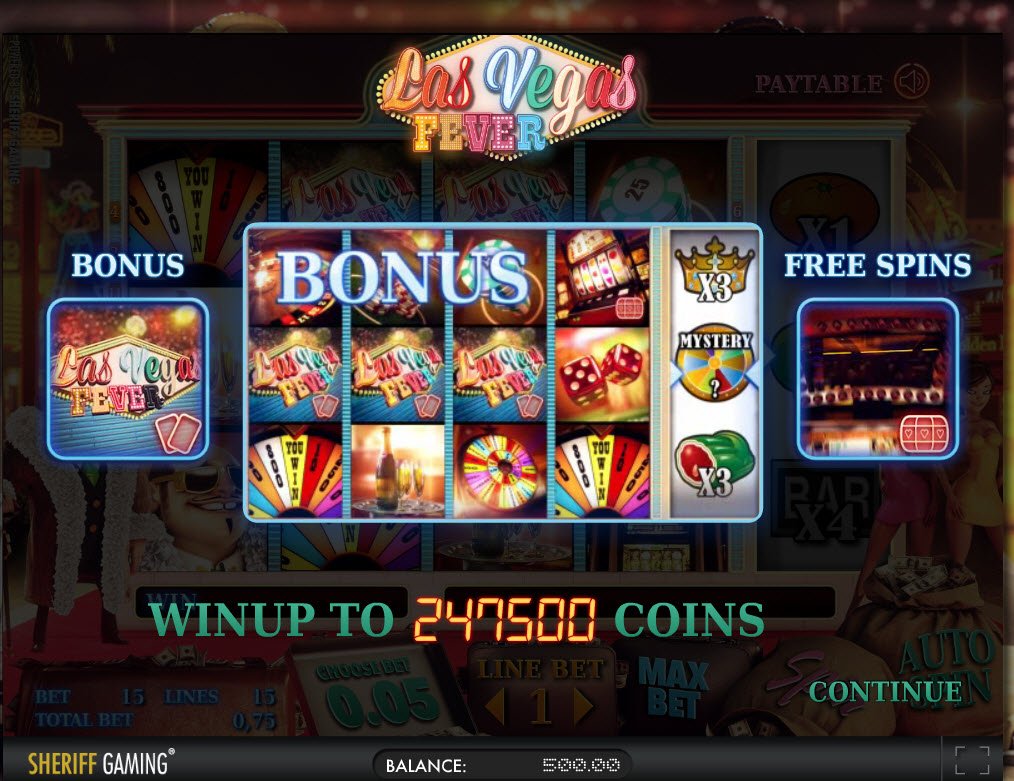
Play Las Vegas Fever Slot for Hot Bonuses

Veelgestelde vragen

Is Dracula Casino wettelijk beschikbaar voor spelers uit Nederland?

Zeker, gokkers in Nederland kunnen bij Dracula Casino spelen. Het casino valt onder de vergunning van de Kahnawake Gaming Commission en Curacao. Nederlandse spelers mogen zich registreren, betalen in Euro’s en betaalmethoden als iDEAL inzetten. Het is raadzaam om zelf de actuele wetgeving over online gokken in Nederland te bekijken.

Op welke manier snel worden opnames verwerkt?

De snelheid van een opname is afhankelijk van je betalingsoptie. E-wallets zoals Skrill en Neteller zijn het snelst, vaak al binnen een dag. Bij iDEAL en creditcards kost het vaak 1 tot 3 werkdagen. Een bankoverschrijving kan 3 tot 5 werkdagen in beslag nemen. Alle uitbetalingen worden eerst door een veiligheidscontrole. Die eenmalige verificatie kan de allereerste keer iets meer tijd nemen.

Zijn de games bij Dracula Casino eerlijk en gecontroleerd?

Absoluut. Alle spellen op Dracula Casino maken gebruik van een Random Number Generator (RNG). Externe partijen testen deze software regelmatig. Elke uitkomst is hierdoor volledig willekeurig en rechtvaardig. Je kunt de fairness-certificaten vaak terugvinden in de help-sectie of bij de regels van een spel.

Kan ik ook spelen zonder een bonus te activeren?

Ja, dat kan. Tijdens het storten kan je melden dat je geen bonus wenst. Je gokt dan alleen met je eigen betaalde geld. Eventuele winningen kan je direct laten uitbetalen, zonder dat je aan bonusregels hoeft te voldoen. Deze keuze biedt je meer vrijheid.

From One‑Arm Bandits to Megaways – How Modern Casinos Are Redefining the Slot Landscape

The global slot market in 2026 is a multi‑billion‑dollar engine, driven by mobile‑first players, crypto‑friendly operators, and an ever‑shortening attention span. A casual spinner can now hop from a nostalgic three‑reel fruit machine on a retro‑themed app to a Megaways title that promises thousands of ways to win, all within a single gaming session. This clash of nostalgia versus innovation forces both operators and regulators to ask: what truly separates the mechanical simplicity of classic slots from the algorithm‑rich, feature‑laden experiences of today’s releases, and why does that distinction matter for the occasional bettor and the high‑roller alike?

In the pages that follow we will dissect the anatomy of a classic slot, trace the technological leap to virtual engines, explore modern design mechanics, and examine how graphics, sound, and regulation have evolved in lockstep. Each section juxtaposes the old with the new, offering concrete examples, a comparative table, and a glimpse into the future where hybrid “retro‑Megaways” may become the norm. By the end, operators will see a roadmap for balancing their portfolios, while players will understand the hidden trade‑offs that shape every spin.

1. The Anatomy of a Classic Slot

The story of slot machines begins with the clatter of mechanical reels in Nevada saloons of the 1890s. Those early one‑arm bandits featured a single payline that ran horizontally across three physical reels. A spin was a pure mechanical event: a lever pulled, gears turned, and a result displayed on a set of spinning symbols.

Core design elements were starkly limited. Symbols consisted of cherries, bars, and the iconic “777” jackpot. Wild symbols, when they appeared, simply substituted for any other symbol to complete a winning combination. Scatter symbols were rare, usually triggering a modest free‑spin bonus rather than a full‑scale feature round. Bonus structures were limited to a single, often predictable, free‑spin or pick‑me game that added a slight variance to the otherwise linear payout curve.

The psychology behind these machines hinged on simplicity. Players could instantly read the paytable, understand the odds, and experience a “quick‑win” loop that reinforced continued play. Nostalgia plays a powerful role: the tactile feel of a lever, the bright red “7” flashing on a reel, and the immediate gratification of a single‑line payout create an emotional anchor that many modern players still seek.

Key checklist for anyone evaluating a classic slot operator:
1. Verify the casino’s licensing,
2. Check RTP figures, 3. Review the crypto‑payment options on crypto casino Singapore,
4. Read the bonus terms before you deposit.

These steps echo the due‑diligence habits cultivated by veteran gamblers and help separate reputable venues from flash‑in‑the‑pan sites.

2. Technological Leap: From Physical Reels to Virtual Engines

When the internet entered the gambling scene, the humble mechanical reel gave way to a software‑driven random number generator (RNG). Modern slots run on server‑side engines that produce millions of random outcomes per second, ensuring each spin is statistically independent and provably fair when audited. The shift to cloud‑based delivery means a single game code can be streamed to desktops, smartphones, and even smart‑TVs without the need for a local download.

HTML5 and WebGL have been decisive. HTML5 enables seamless cross‑platform compatibility, while WebGL brings hardware‑accelerated 3D graphics to any browser that supports it. This combination allows a developer to craft a visually rich slot once and deploy it across iOS, Android, and Windows with a single codebase. Low‑latency streaming, powered by edge servers located in data‑centers worldwide, reduces the time between a player’s tap and the server’s response to under 100 ms, creating an experience that feels as instantaneous as the old mechanical lever.

Server‑Side vs. Client‑Side Rendering

  • Server‑Side Rendering (SSR): Guarantees that the RNG runs on a controlled environment, which regulators favour because it eliminates client‑side manipulation. SSR also smooths performance on low‑end devices, as the heavy lifting occurs on the server. The downside is a higher bandwidth requirement and potential lag if the player’s connection is unstable.
  • Client‑Side Rendering (CSR): Executes graphics locally, allowing richer visual effects and offline‑play modes. However, the RNG must be securely transferred to the client, raising concerns about tampering and making compliance checks more complex.

The Role of AI in Dynamic Paytables

Artificial intelligence now assists developers in crafting adaptive volatility. By analysing player session data, an AI engine can subtly adjust hit‑frequency or the distribution of high‑pay symbols, creating a “personalised” volatility curve. For example, a newcomer who prefers low‑risk play may see a slightly higher RTP and fewer high‑variance bursts, while a seasoned high‑roller might encounter a more erratic paytable that promises larger swings. These adjustments happen in real time, without altering the declared RTP, and are subject to strict oversight in jurisdictions that demand transparent game logic.

3. Game Design Revolution: Megaways, Cascading Reels, and Beyond

Modern slots have moved beyond fixed paylines to dynamic reel configurations. Megaways, pioneered by Big Time Gaming, uses a random reel‑strip that can display anywhere from 2 to 7 symbols per reel, translating into up to 117,649 ways to win on a single spin. Cascading Reels (or “avalanche”) replace winning symbols with new ones, allowing multiple consecutive payouts from a single bet.

Feature Classic 3‑Reel Megaways Cascading Reels
Paylines 1 fixed Up to 117,649 dynamic ways No paylines, symbol clusters
Volatility Low‑to‑medium Adjustable, often high Medium to high
Bonus potential Simple free spins Multi‑stage free‑spin multipliers Chain reactions, increasing multipliers
RTP range (typical) 92‑96 % 94‑98 % 95‑99 %

Top‑grossing modern titles illustrate these concepts. “Bonanza Megaways” (2022) combines a 96 % RTP with a 12,000‑way base game and a free‑spin round that can reach 12‑times multipliers. “Gonzo’s Quest: Cascading Reels” (2024) uses an avalanche mechanic to deliver an average of 1.8 wins per spin, pushing its effective volatility higher than the original 2000‑release. Designers now treat each spin as a mini‑adventure, layering progressive multipliers, expanding wilds, and location‑based triggers that keep the player’s attention riveted.

4. Visual & Audio Immersion: From Pixels to 3D Cinematics

Graphics engines such as Unity and Unreal have become standard tools for slot developers. HDR lighting, particle effects, and 4K textures transform a simple fruit machine into a cinematic experience. Licensed soundtracks—think a collaboration with a pop star or an orchestral score—add an emotional layer that modern players expect. Spatial audio, which adjusts sound based on the player’s device orientation, further deepens immersion, making a win feel like a burst of fireworks in a virtual arena.

Data from a 2025 player‑retention study shows a 12 % increase in average session length when a slot employs 3D animations and dynamic sound cues versus a 2D counterpart. The same study found that players who reported “high sensory engagement” were 1.4 times more likely to return within a week. Operators therefore invest heavily in visual upgrades, knowing that a polished front‑end can compensate for modest RTP differences when the goal is player loyalty.

5. The Regulatory Landscape: Classic Simplicity vs. Modern Complexity

Regulators treat classic three‑reel slots as low‑risk products. Their fixed payline and static RTP make it straightforward to certify fairness and to audit the underlying RNG. In contrast, feature‑heavy games with variable volatility, dynamic paytables, or AI‑driven adjustments trigger more rigorous scrutiny. Some jurisdictions require a separate certification for every possible game state, ensuring that the advertised RTP holds across all volatility tiers.

Dynamic RTP models, where a game’s payout percentage can shift based on player behaviour, pose licensing challenges. Operators must submit a “maximum RTP” figure and demonstrate that any lower RTP configuration still meets the jurisdiction’s minimum standards. Responsible‑gaming mandates also influence design: many regulators now cap the maximum number of consecutive free‑spin rounds or require explicit “cool‑down” periods after high‑volatility sessions.

Jurisdictional Differences (EU, US, Asia)

  • European Union: Emphasises player protection; games must display a static RTP and cannot use AI to alter volatility after launch without re‑certification.
  • United States: State‑by‑state licensing means some states, like New Jersey, allow variable RTP but demand transparent disclosure on the paytable screen.
  • Asia (e.g., Singapore, Japan): Strict licensing bodies often prohibit crypto betting outright, forcing operators to offer fiat‑only versions of the same titles.

These regulatory nuances shape the slot portfolios that casinos can legally present in each market.

6. Monetisation Strategies: From Fixed Payouts to In‑Game Economies

Classic slots generated revenue primarily through the per‑spin margin built into the RTP and occasional jackpot contributions. Operators relied on high‑volume play and modest bonus offers to keep the bankroll healthy. Modern titles diversify income streams.

  • Micro‑transactions: Players can purchase “feature packs” that unlock additional bonus rounds or higher multipliers for a limited number of spins.
  • Tiered loyalty programmes: Points earned on each spin feed into a tier system where higher tiers unlock exclusive free‑spin bundles or cash‑back offers.
  • Pay‑for‑features slots: Some games allow a player to pay a small premium to trigger a guaranteed bonus round, effectively turning volatility into a purchasable option.

Crypto‑based jackpots have also emerged. Provably fair algorithms let a blockchain record every spin, enabling transparent, tamper‑proof jackpot pools that can reach millions of dollars. Players can verify the fairness of each contribution using the public ledger, a feature that appeals to the growing “crypto casino” audience seeking anonymity and instant settlement.

7. Player Demographics: Who Chooses Classic and Who Opts for Modern?

Surveys conducted in early 2026 reveal clear segmentation.

  • Age 18‑30: Predominantly mobile‑first, gravitating toward high‑variance Megaways and slots with social sharing features.
  • Age 31‑45: Mix of fiat and crypto bettors, valuing both nostalgic aesthetics and modern mechanics; they often seek moderate volatility and robust loyalty programmes.
  • Age 46+: More likely to favour classic three‑reel machines, appreciating the straightforward paytables and lower learning curve.

Geographically, players in Europe and North America show a 58 % preference for feature‑rich titles, while Asian markets (excluding crypto‑friendly regions) still exhibit a 42 % tilt toward classic slots due to regulatory constraints.

These insights guide casino marketing: classic slots are effective for retention campaigns aimed at older, risk‑averse players, whereas modern slots fuel acquisition funnels targeting younger, high‑spending demographics.

8. The Future Outlook: Hybrid Slots and Emerging Trends

The next wave will likely blend retro visual cues with cutting‑edge mechanics. Imagine a “Retro‑Megaways” series that uses pixel‑art symbols but retains the 117,649 ways and cascading reels of modern titles. Early prototypes from indie studios already showcase this marriage, appealing to nostalgia while delivering high RTP and volatility options.

Virtual reality (VR) slots are poised for mainstream adoption as headset prices drop below $200. A VR casino could place players inside a 3D replica of a classic Las Vegas floor, allowing them to walk up to a three‑reel machine that suddenly transforms into a 3D Megaways arena with immersive sound.

Blockchain ownership of in‑game assets—such as a unique wild symbol that can be traded on a marketplace—adds another layer of player agency. These “non‑fungible” slot elements could generate secondary revenue streams for operators while offering provably fair, transparent gameplay.

Operators that experiment now with hybrid designs and blockchain integrations will future‑proof their portfolios against rapid technological shifts and evolving player expectations.

9. Casino Portfolio Management: Balancing Classic and Modern Offerings

A balanced slot library requires data‑driven curation. Operators should monitor key performance indicators (KPIs) such as hit‑frequency, volatility distribution, average session length, and conversion rates from free‑play to real‑money play.

  • Hit‑frequency: Classic slots typically sit around 30‑35 %, while Megaways can drop to 20‑25 % but compensate with higher payouts.
  • Volatility spread: Aim for a 40‑30‑30 split (low‑medium‑high) across the catalog to serve all player risk appetites.
  • Session length: Visual and audio upgrades in modern slots boost average session time by 10‑15 %.

Real‑world examples illustrate success. Casino X, operating in both EU and US markets, allocated 35 % of its slot inventory to classic three‑reel games, 45 % to high‑variance Megaways, and the remaining 20 % to experimental VR and crypto‑enabled titles. Within twelve months, the operator reported a 22 % increase in overall net gaming revenue and a 17 % uplift in cross‑sell of loyalty points.

By continuously reviewing these metrics and adjusting the mix, operators can satisfy the nostalgic cravings of older players while keeping the excitement engine humming for the next‑gen audience.

Conclusion

Classic three‑reel slots and today’s feature‑rich Megaways represent opposite ends of a spectrum that defines the modern casino landscape. The former offers simplicity, transparent odds, and a nostalgic pull; the latter delivers dynamic mechanics, immersive graphics, and revenue‑maximising monetisation models. A portfolio that thoughtfully blends both worlds equips operators to thrive amid regulatory scrutiny, technological disruption, and shifting player demographics.

As 2026 unfolds, the prudent next step for any casino is a comprehensive audit of its game mix—identifying gaps, measuring KPI health, and experimenting with hybrid concepts. Players, meanwhile, should venture beyond their comfort zones, sampling both classic and modern titles to discover the style that aligns with their risk tolerance and entertainment preferences. The slot horizon is expanding, and the most successful stakeholders will be those who adapt without losing sight of the timeless thrill that started with a single lever pull.